About the Cop
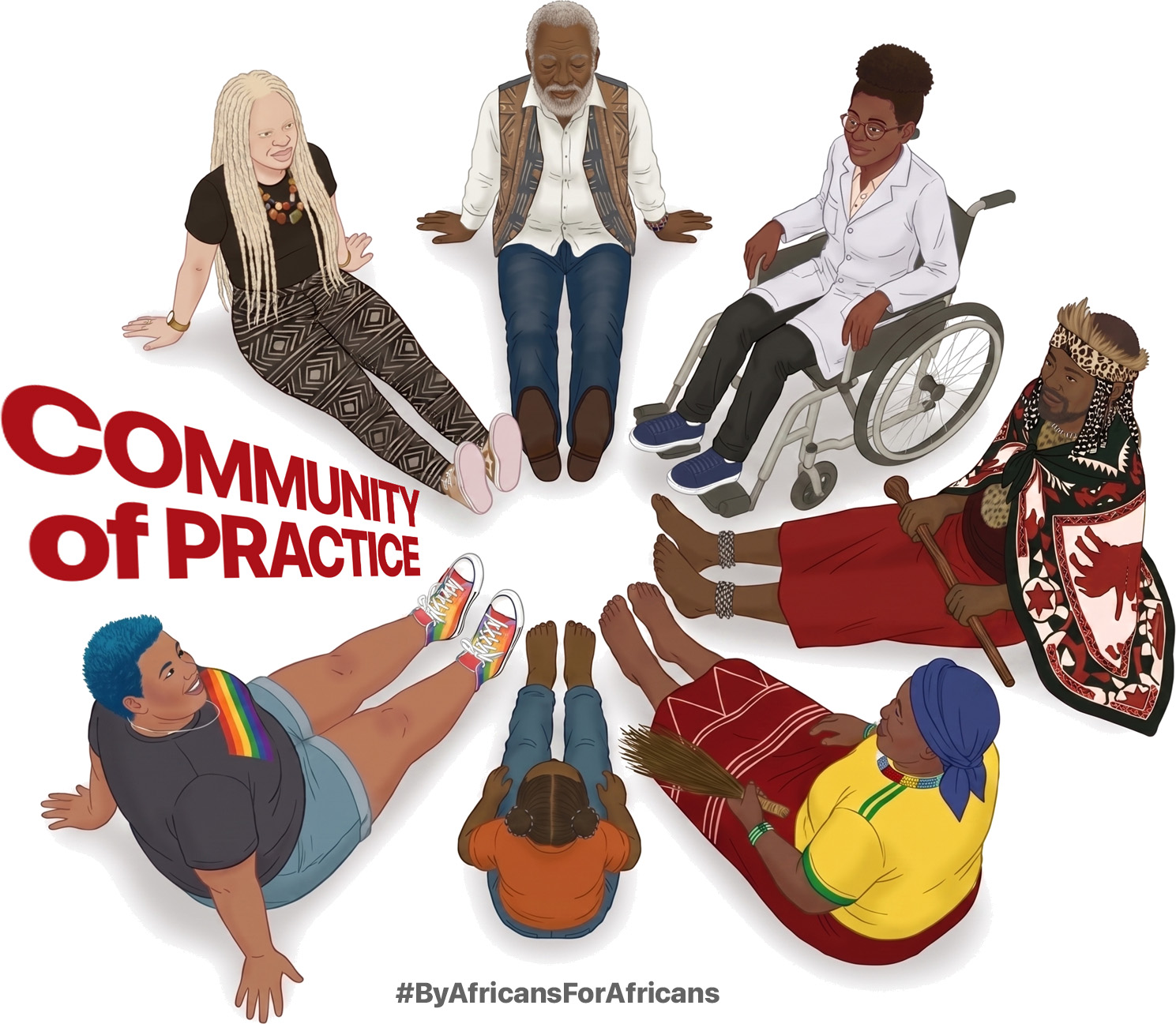
The HIV Cureiculum Community of Practice brings together trainers, advocates, researchers, and community leaders from all five regions of Africa to collectively strengthen HIV cure literacy, ethics, and community leadership across the continent. Meeting monthly, the Community of Practice serves as a collaborative space to explore emerging developments in HIV cure research, reflect on implementation experiences from different countries, and review recommendations and field insights that can inform the continued evolution of the Cureiculum.
Read More
Facilitated by the African Alliance’s Scientific Navigator and Advocacy Lead, in partnership with the programme’s Ethics and Scientific Custodian, the Community of Practice supports ongoing peer learning, scientific translation, ethical reflection, and shared accountability to ensure that the Cureiculum remains scientifically accurate, community grounded, and responsive to Africa’s evolving HIV cure landscape.
Each Community of Practice session also produces a set of practical knowledge outputs designed to strengthen wider movement engagement with HIV cure science. These include a concise Learning Brief capturing key discussions and emerging insights, a Clinical Trial Explainer that translates complex research concepts into accessible language for communities, and a set of Advocate Talking Points to support informed public engagement, media work, policy dialogue, and community mobilisation across African contexts.
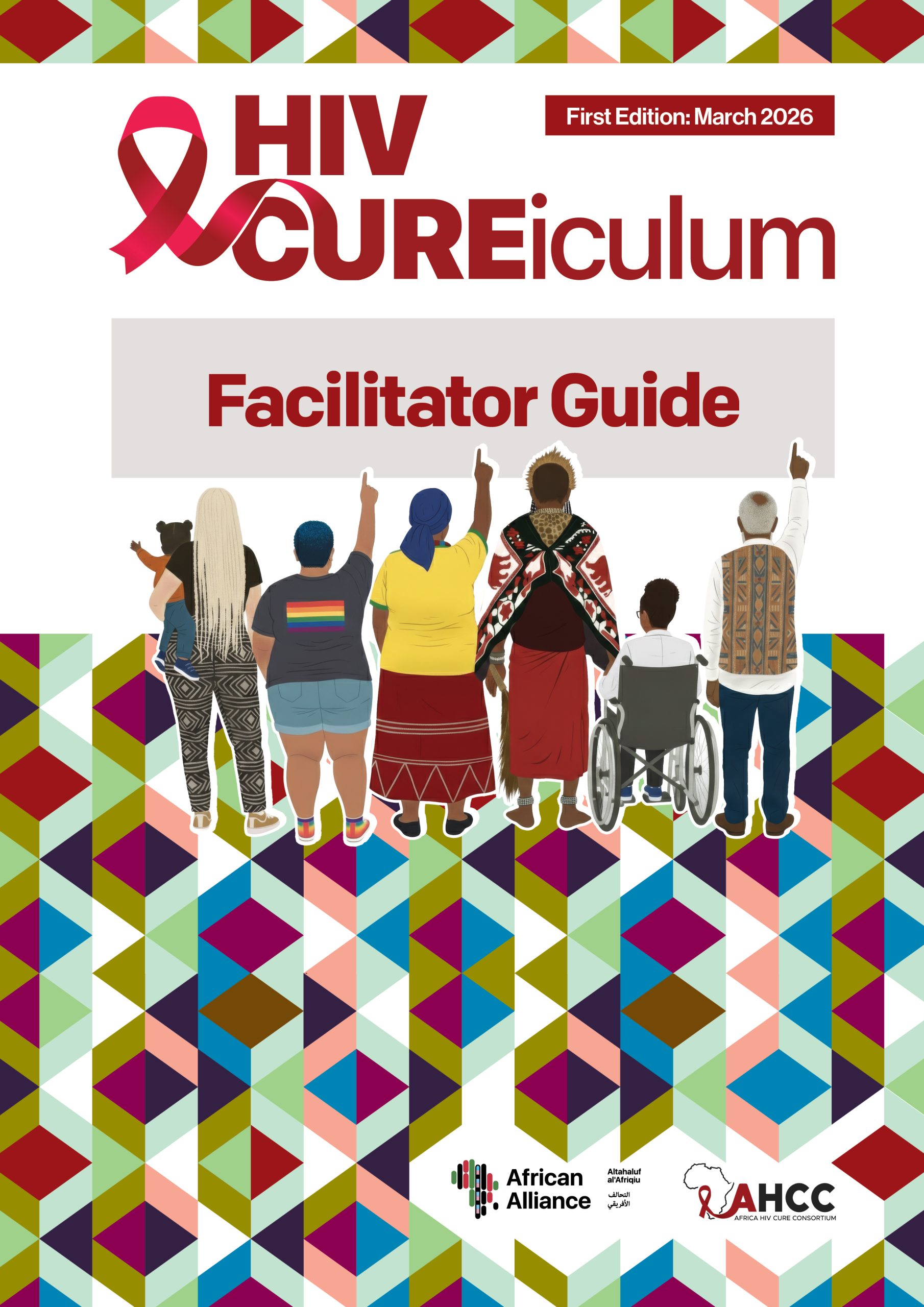
The HIV Cureiculum is a living, evolving African knowledge resource shaped through continuous scientific review, community engagement, implementation experience, and ethical reflection. As the programme moves toward its formal public launch on World AIDS Day 2026, the Facilitator Guide and Participant Manual are being shared within this protected review space to support structured feedback and collaborative refinement by consortium members, trainers, researchers, advocates, and community stakeholders.
Members are invited to review the materials and submit recommendations, corrections, contextual adaptations, scientific updates, and implementation reflections through the official Change Log. All submissions are reviewed through the HIV Cureiculum Community of Practice, where proposed revisions are discussed and assessed for potential incorporation into future editions of the curriculum.
This process reflects the Cureiculum’s core philosophy: that HIV cure literacy must remain scientifically rigorous, ethically grounded, community informed, and responsive to Africa’s evolving HIV cure research landscape.
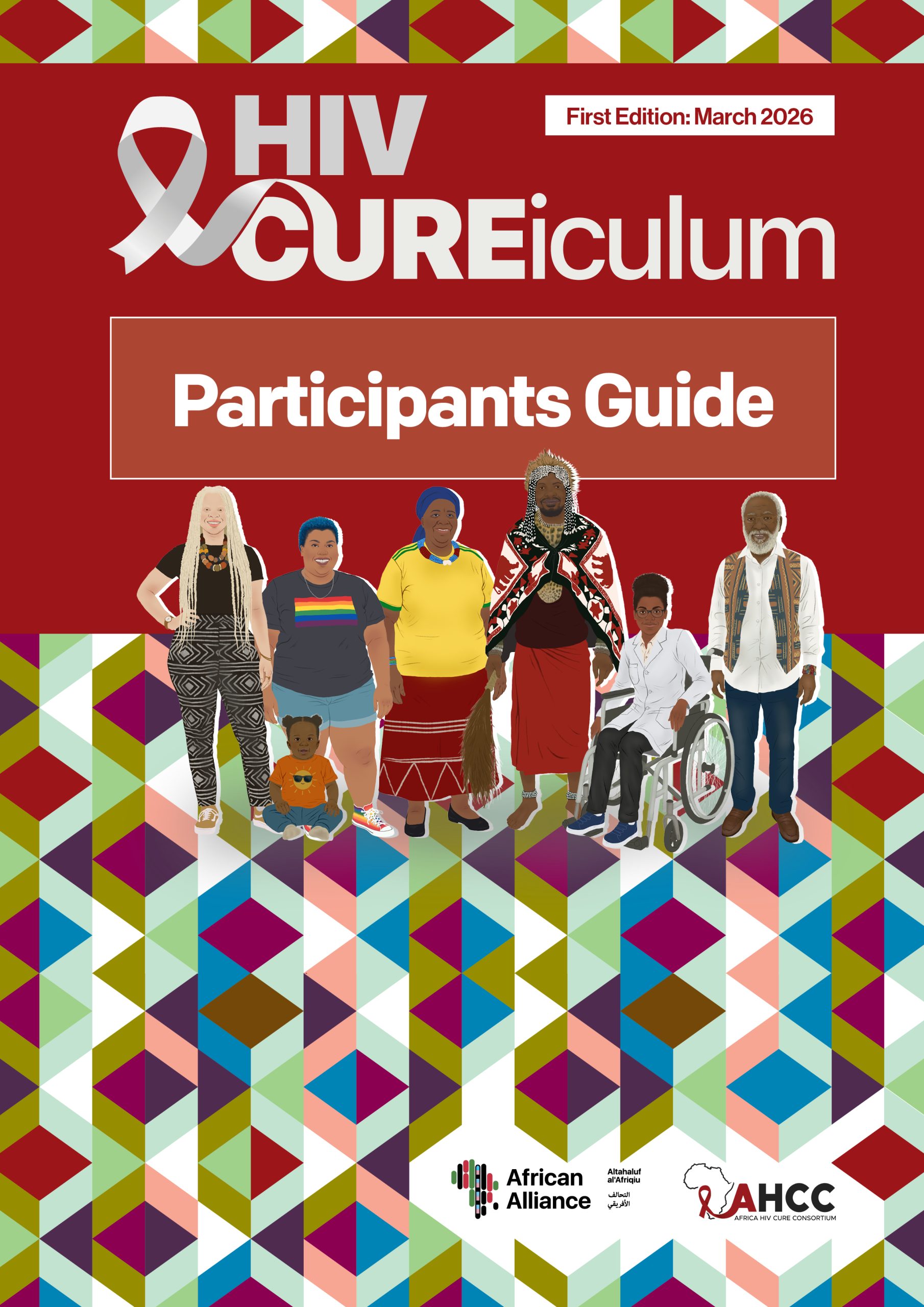
Resource hub
The Resource Hub serves as the living knowledge archive of the HIV Cureiculum initiative, bringing together the collective learning, reflection, and technical outputs generated through the Community of Practice and broader programme activities. This space houses practical community-facing resources designed to strengthen HIV cure literacy, support ethical engagement with research, and expand informed advocacy across African contexts.
Zambia Pilot

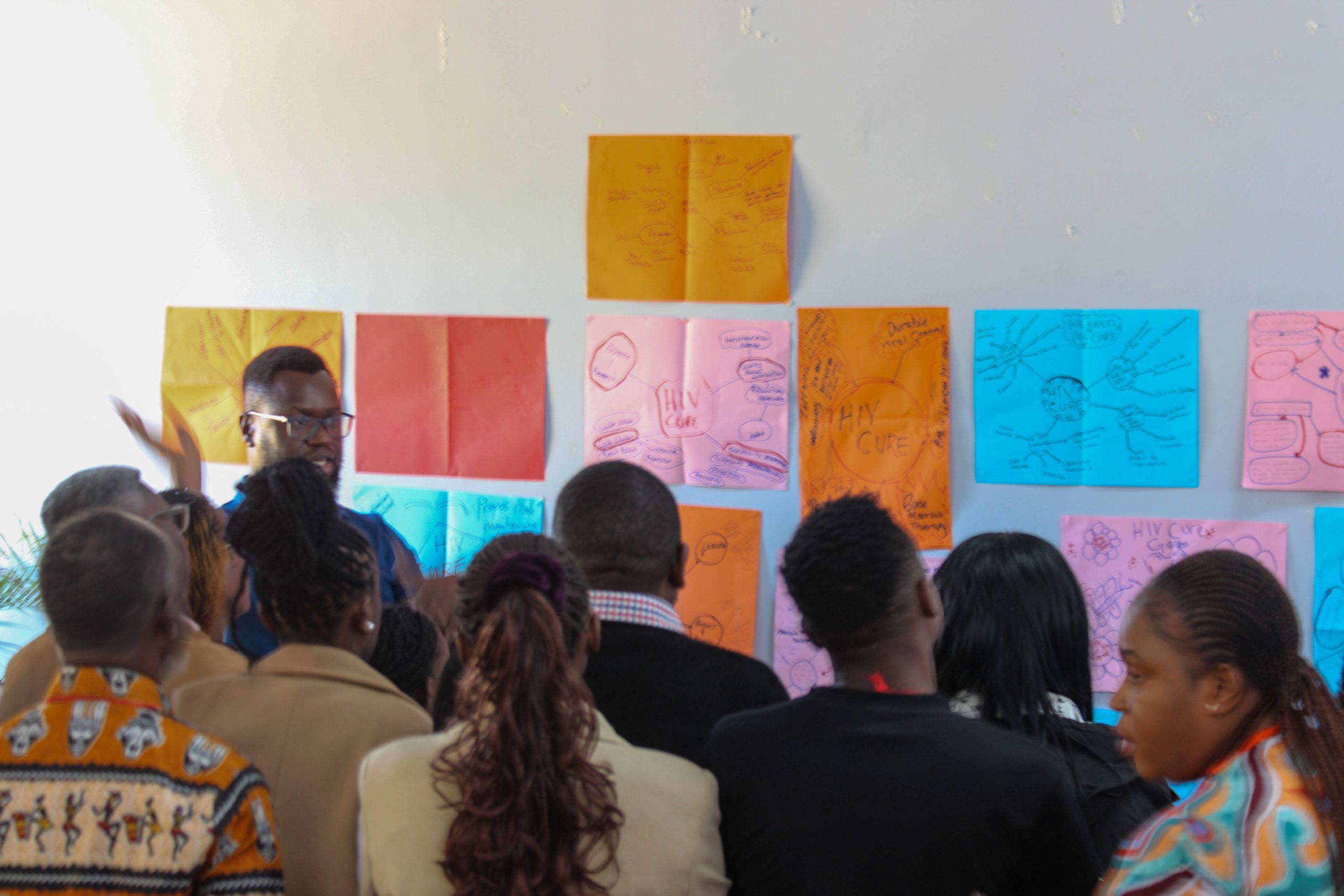


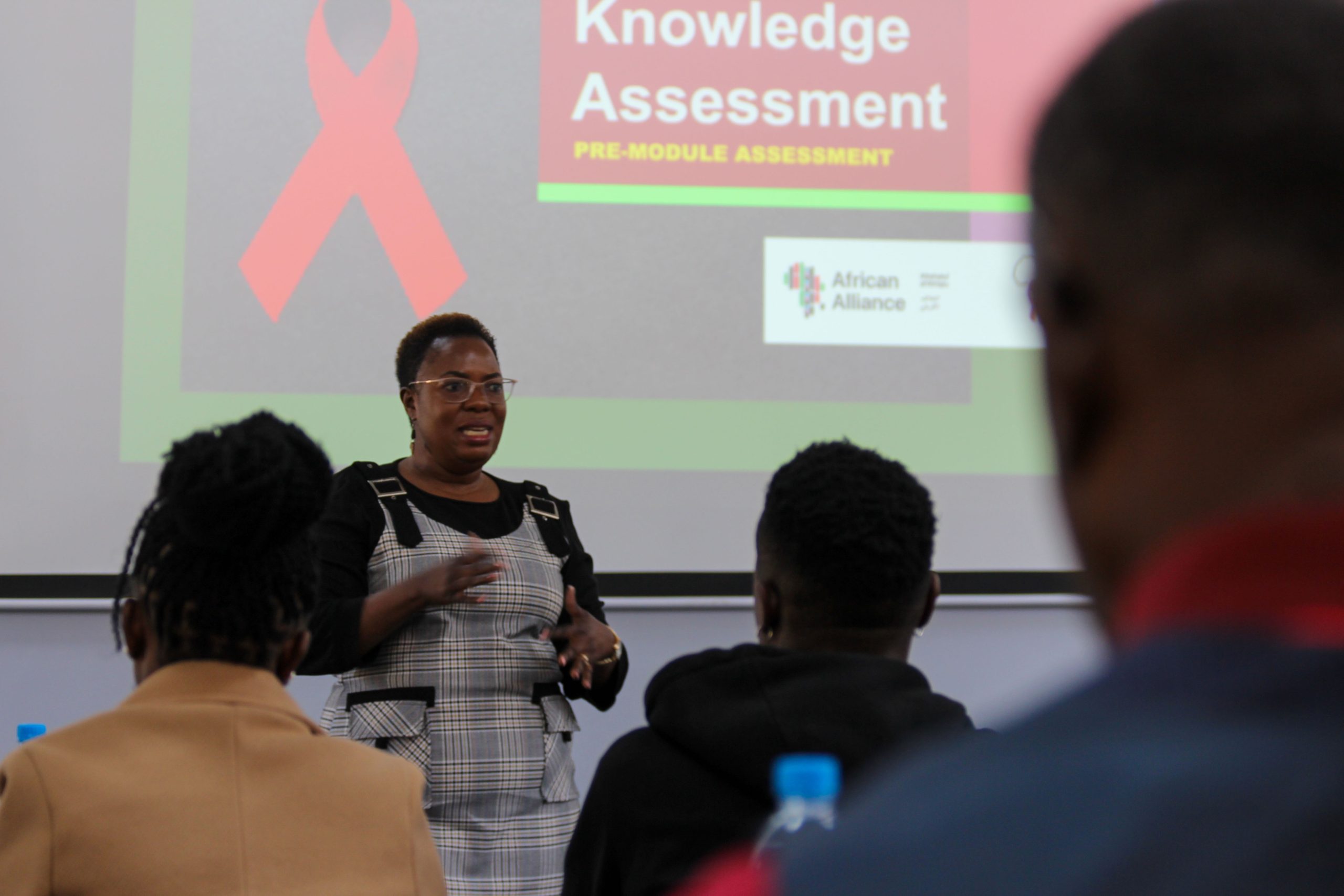
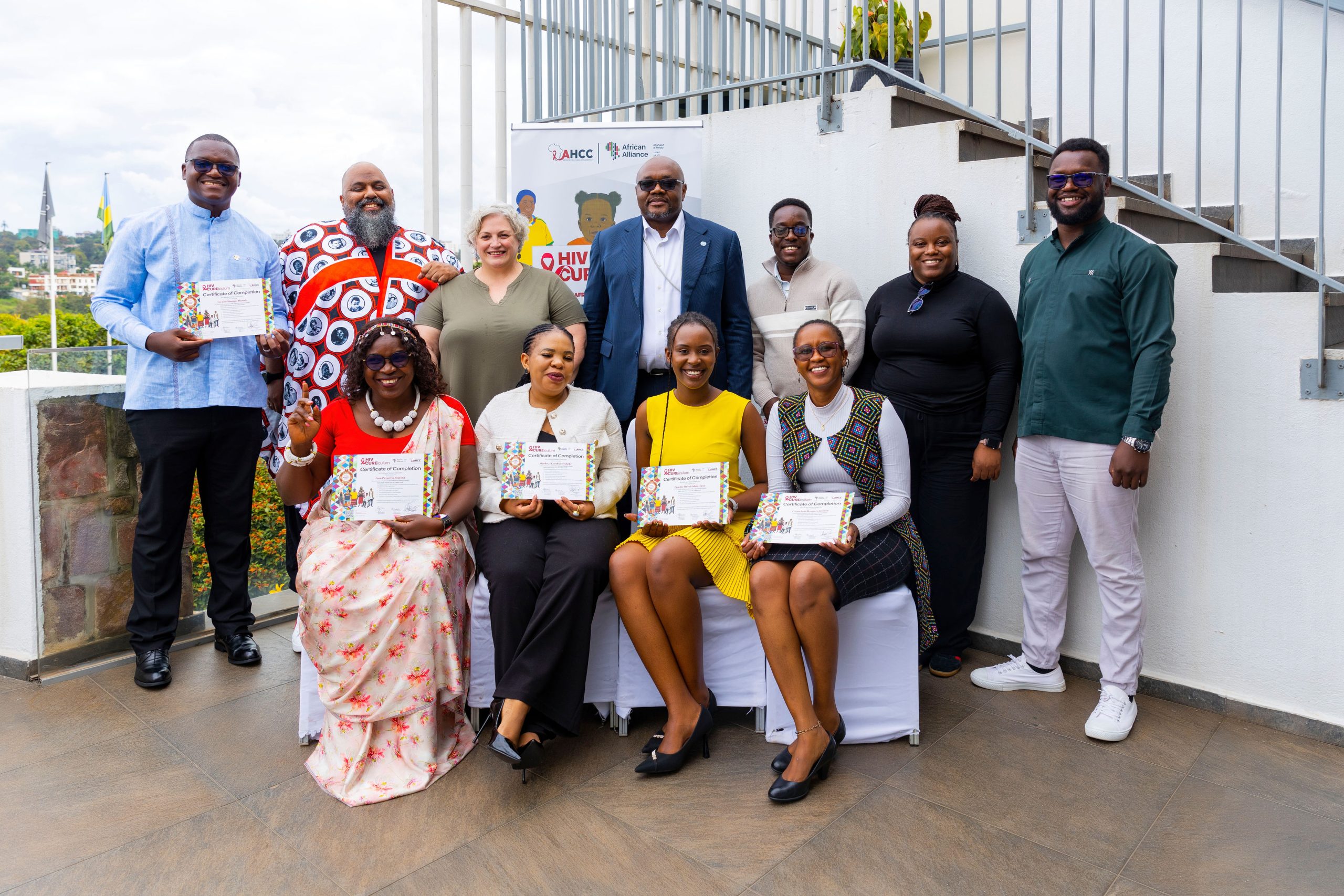
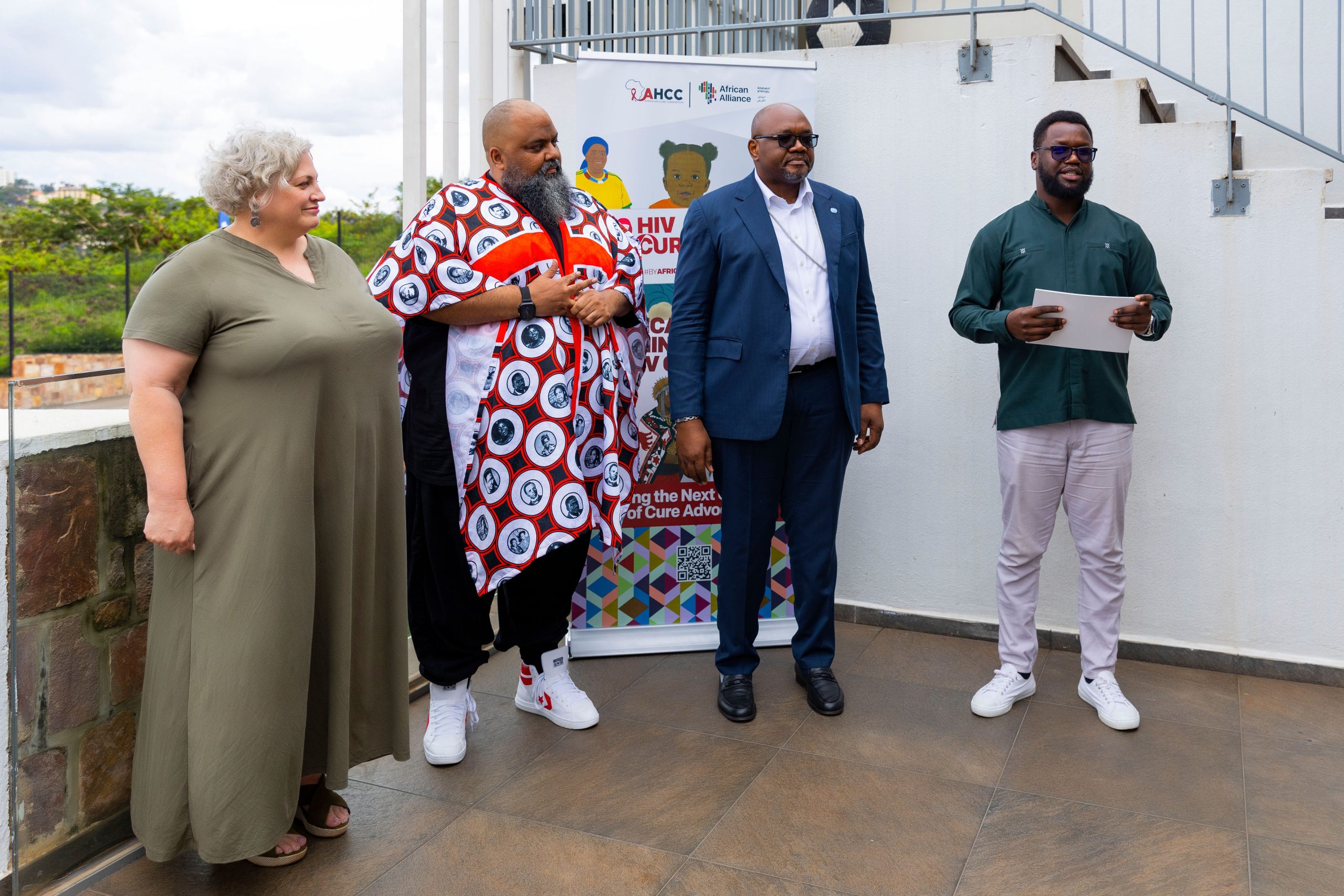
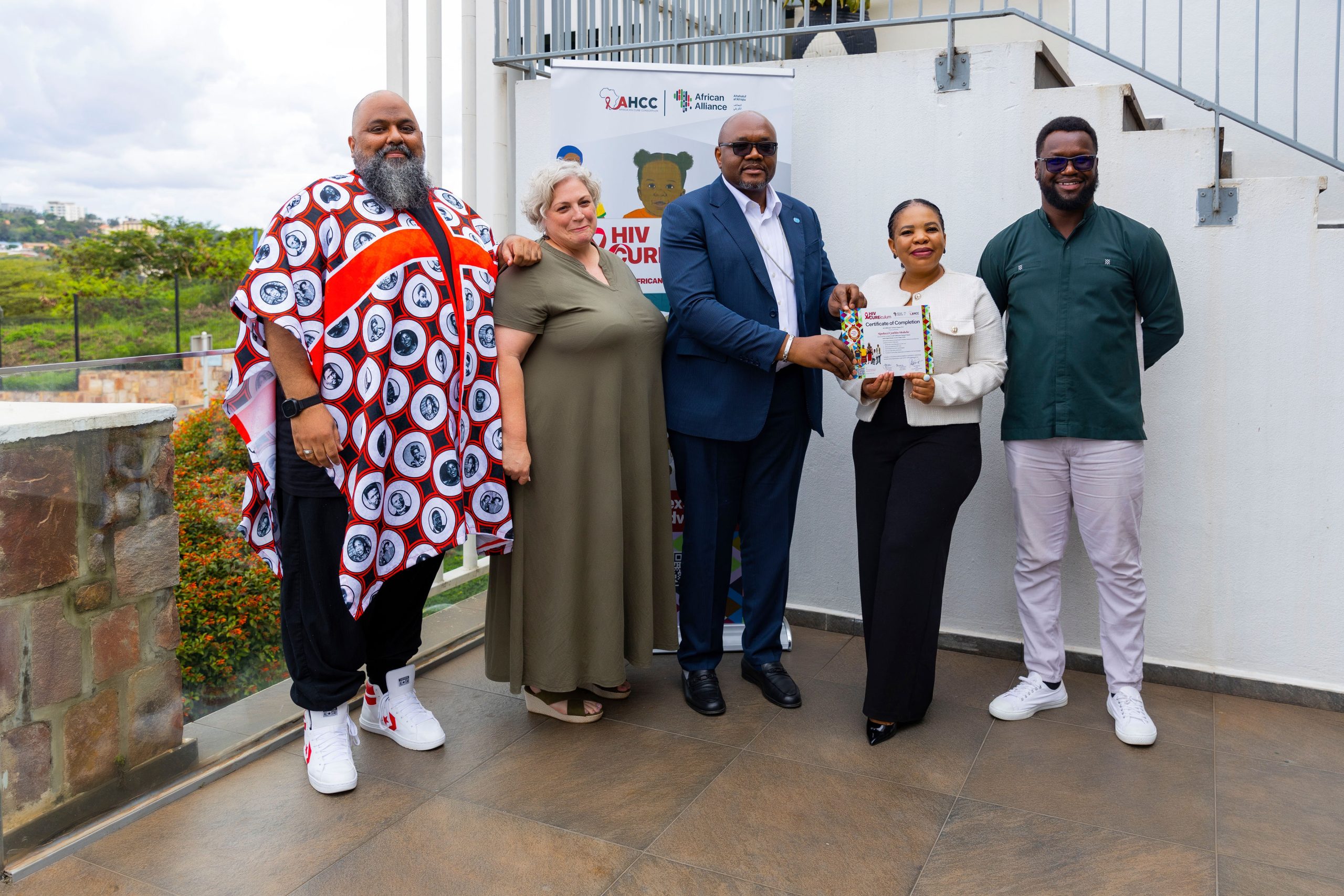
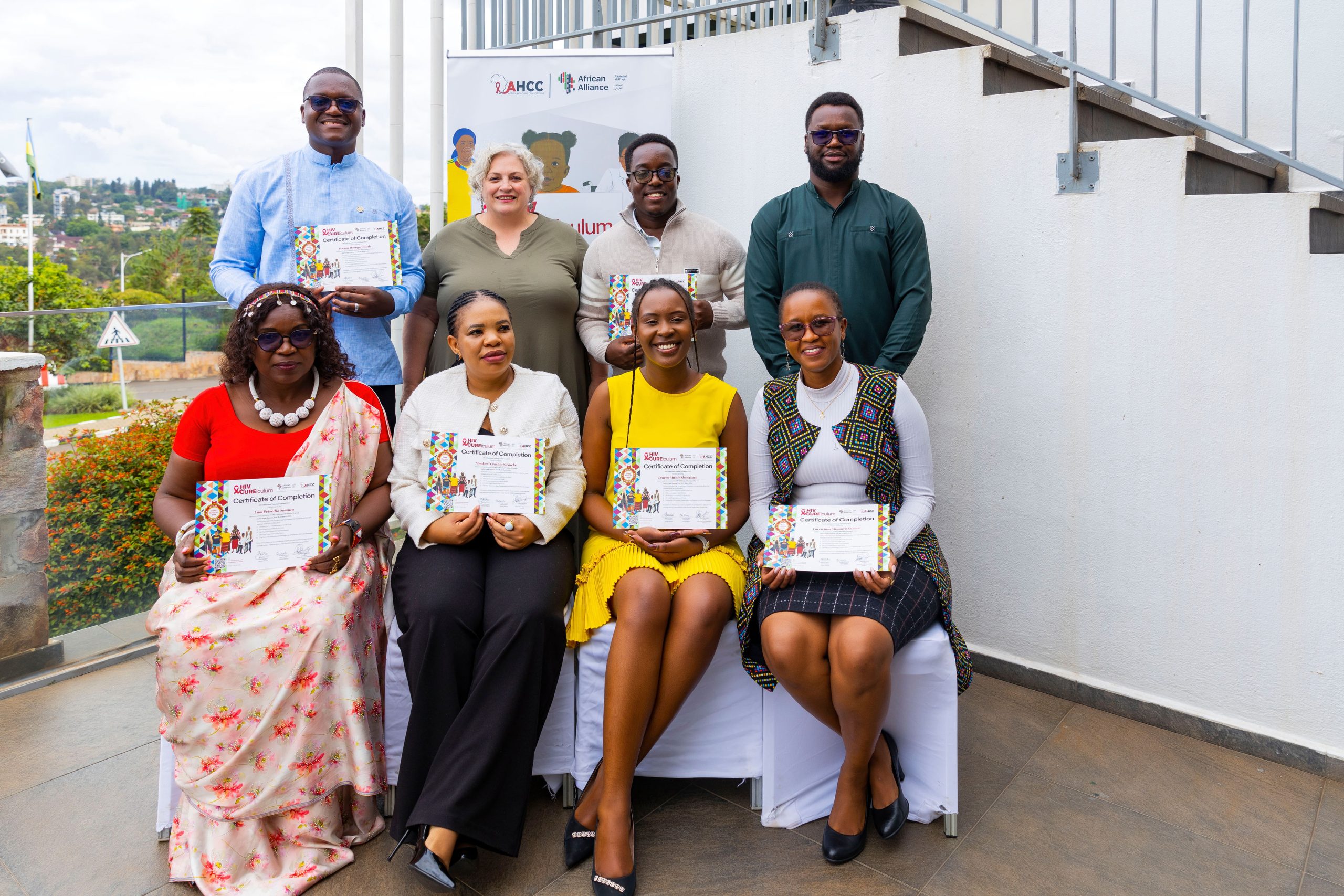
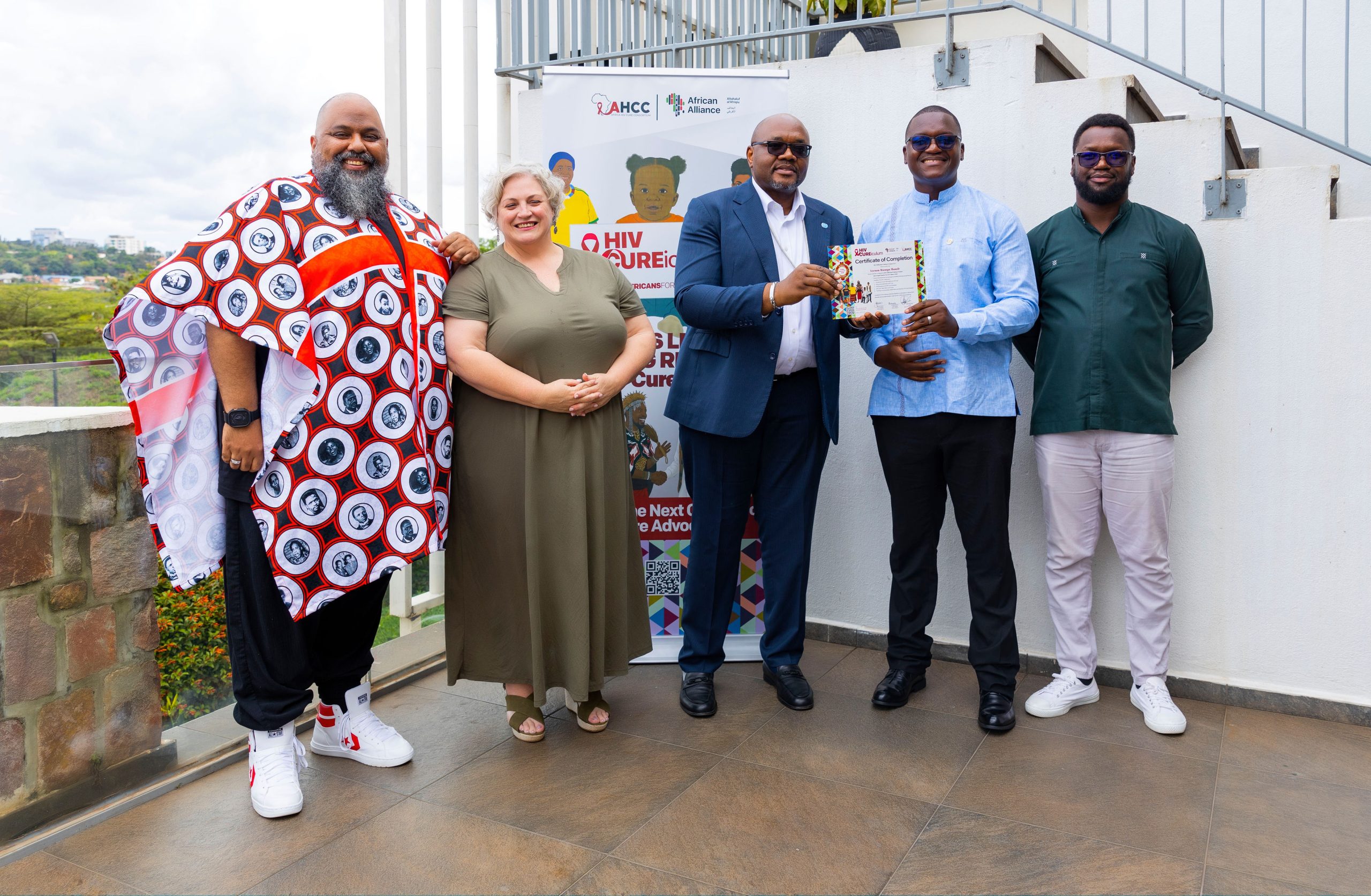
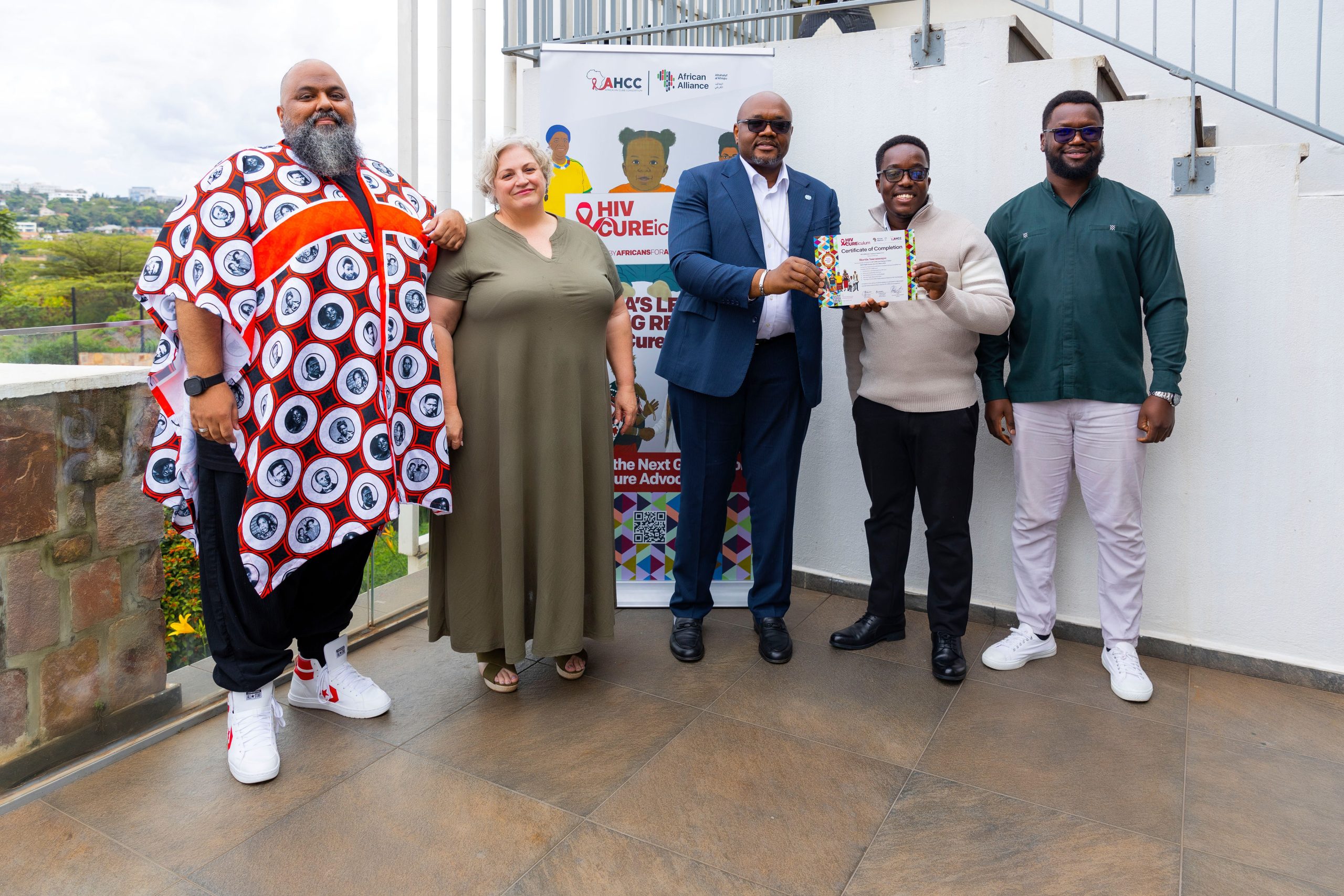
Graduation 2026, Kigali, Rwanda
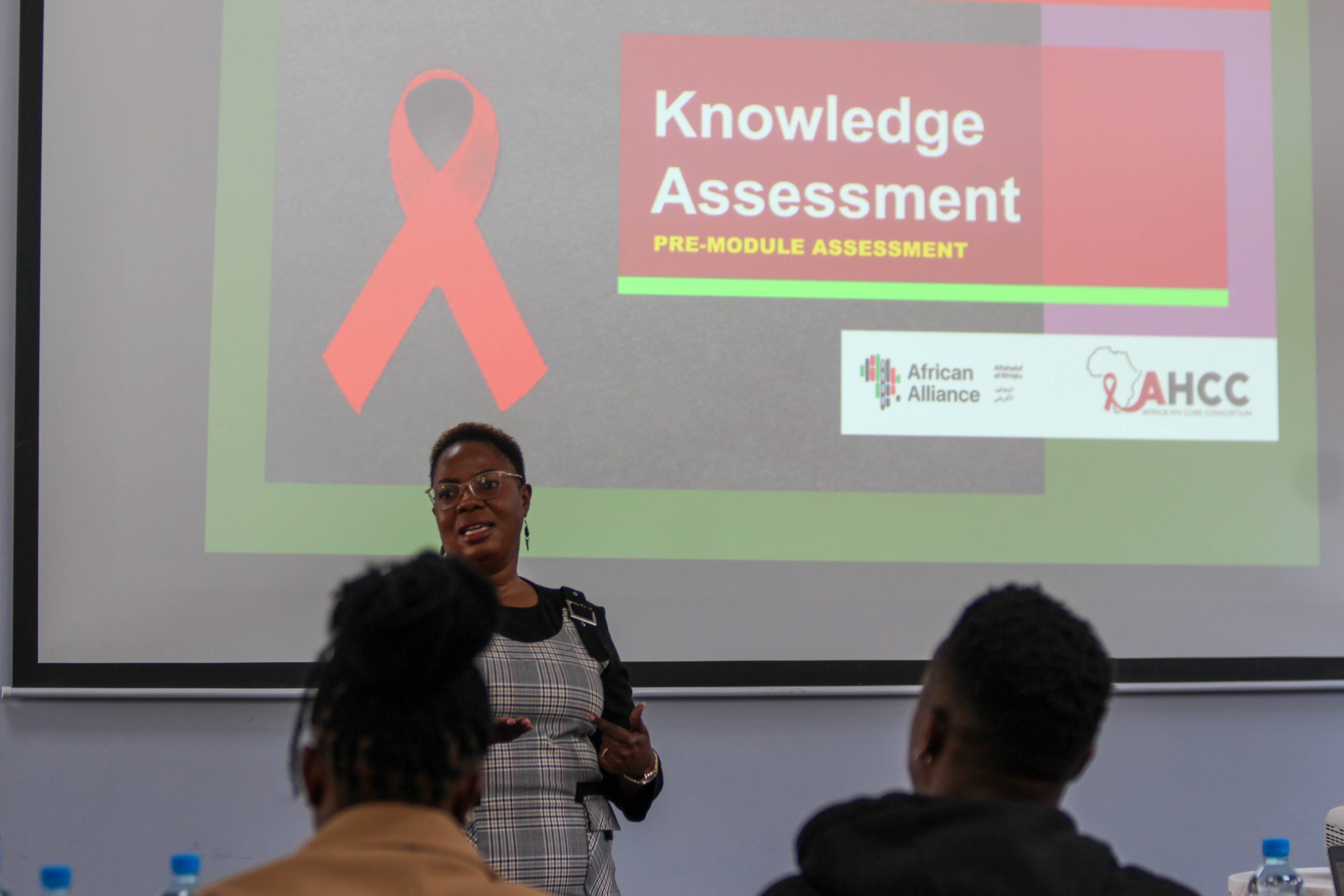
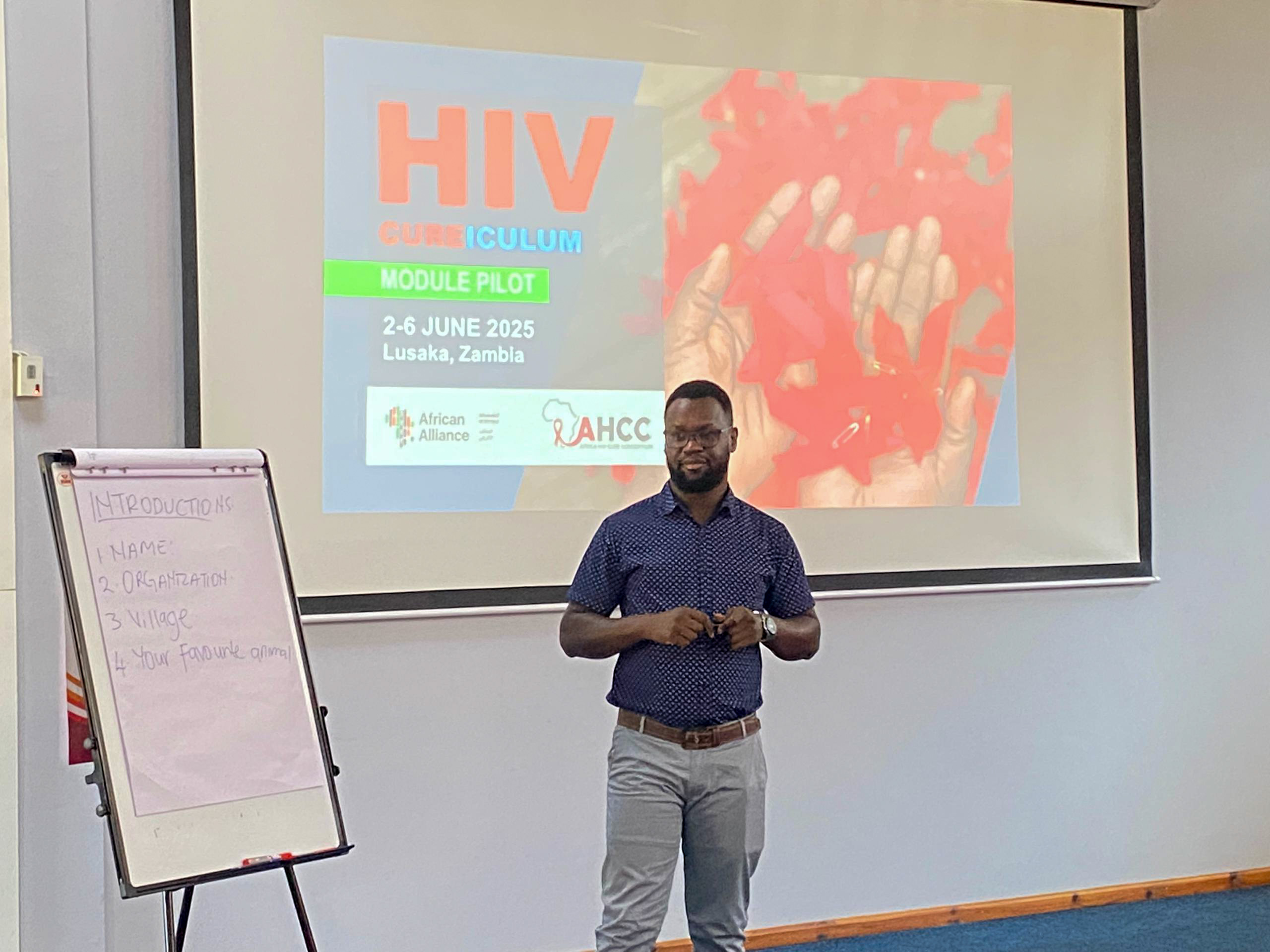
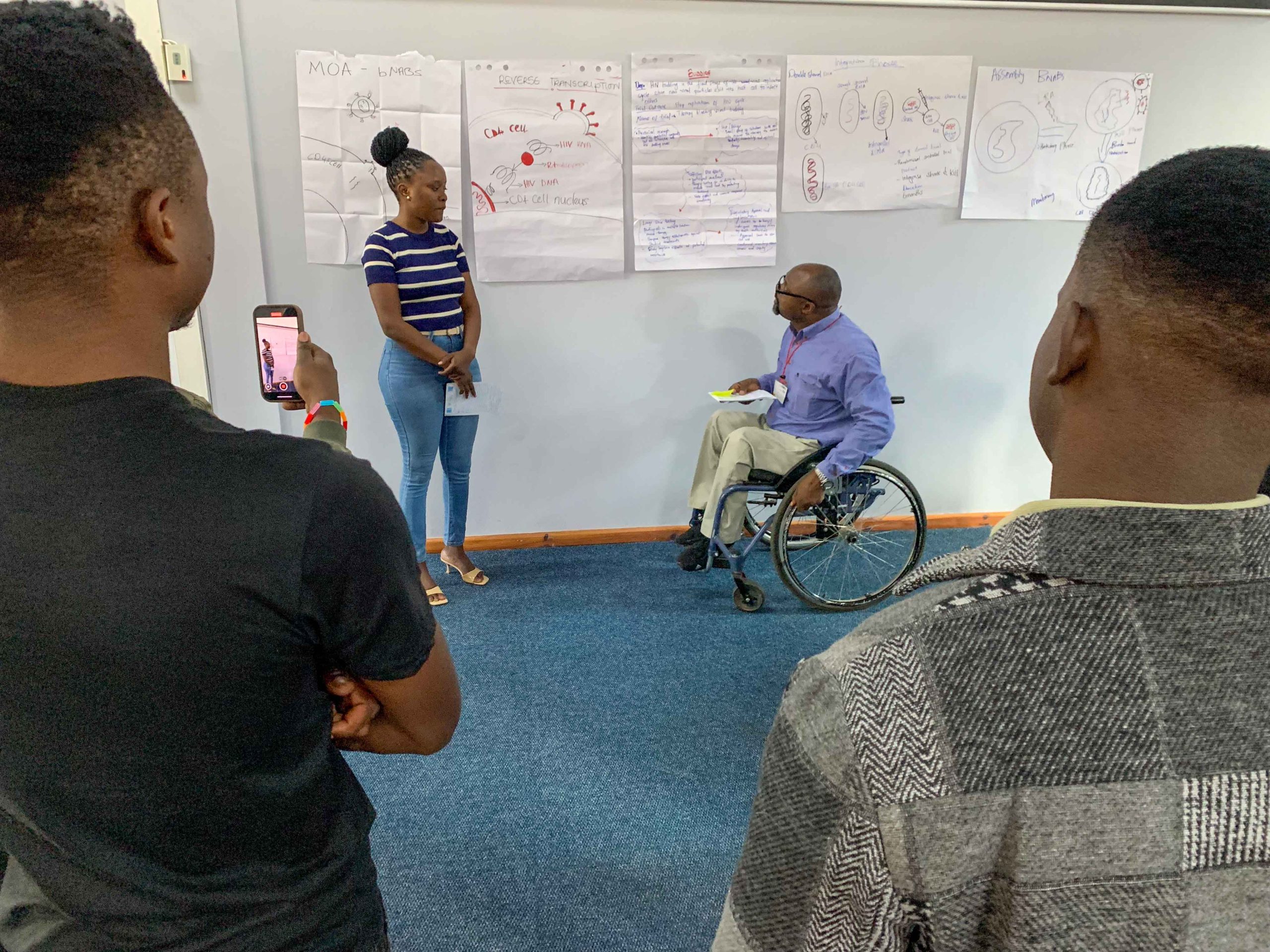
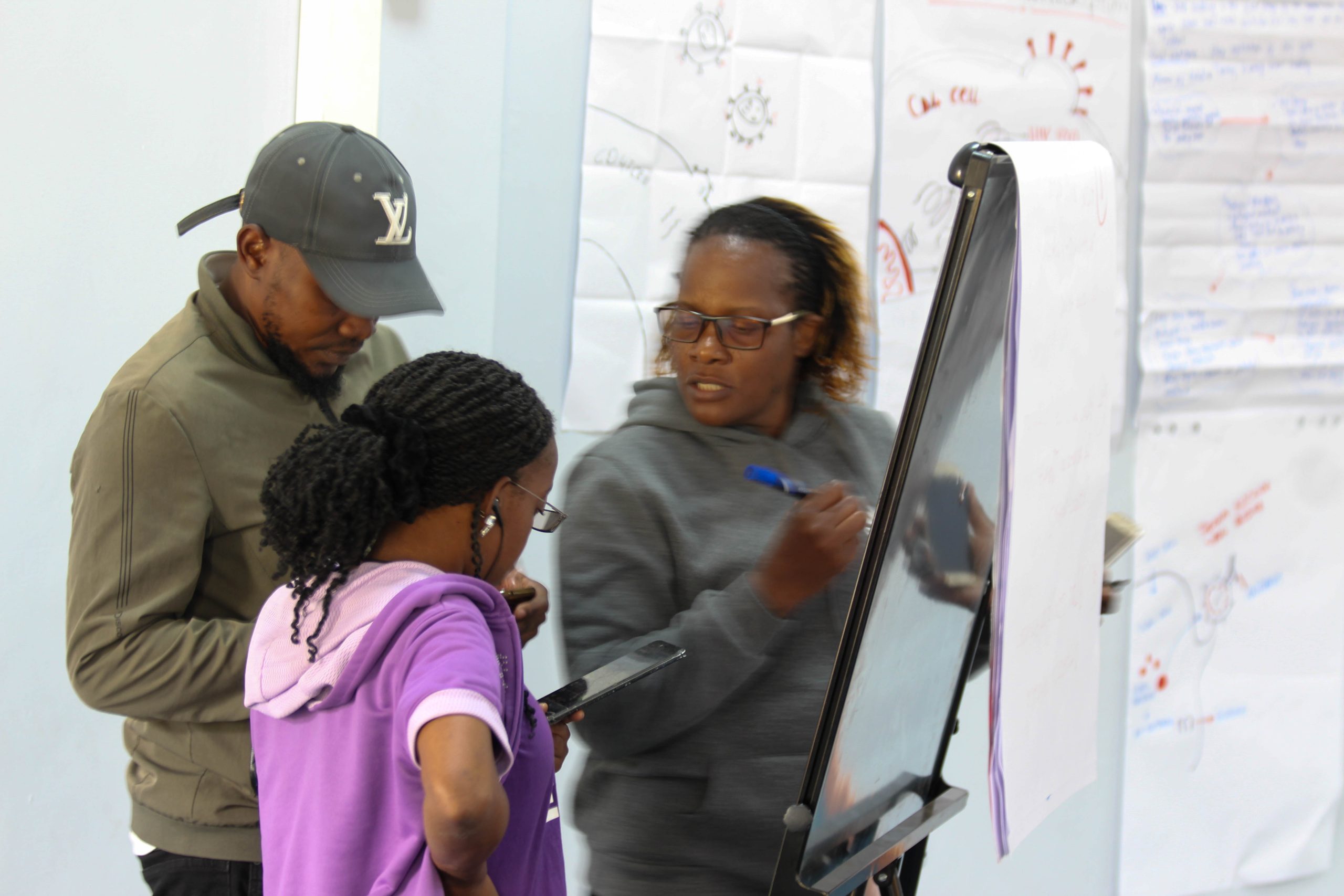
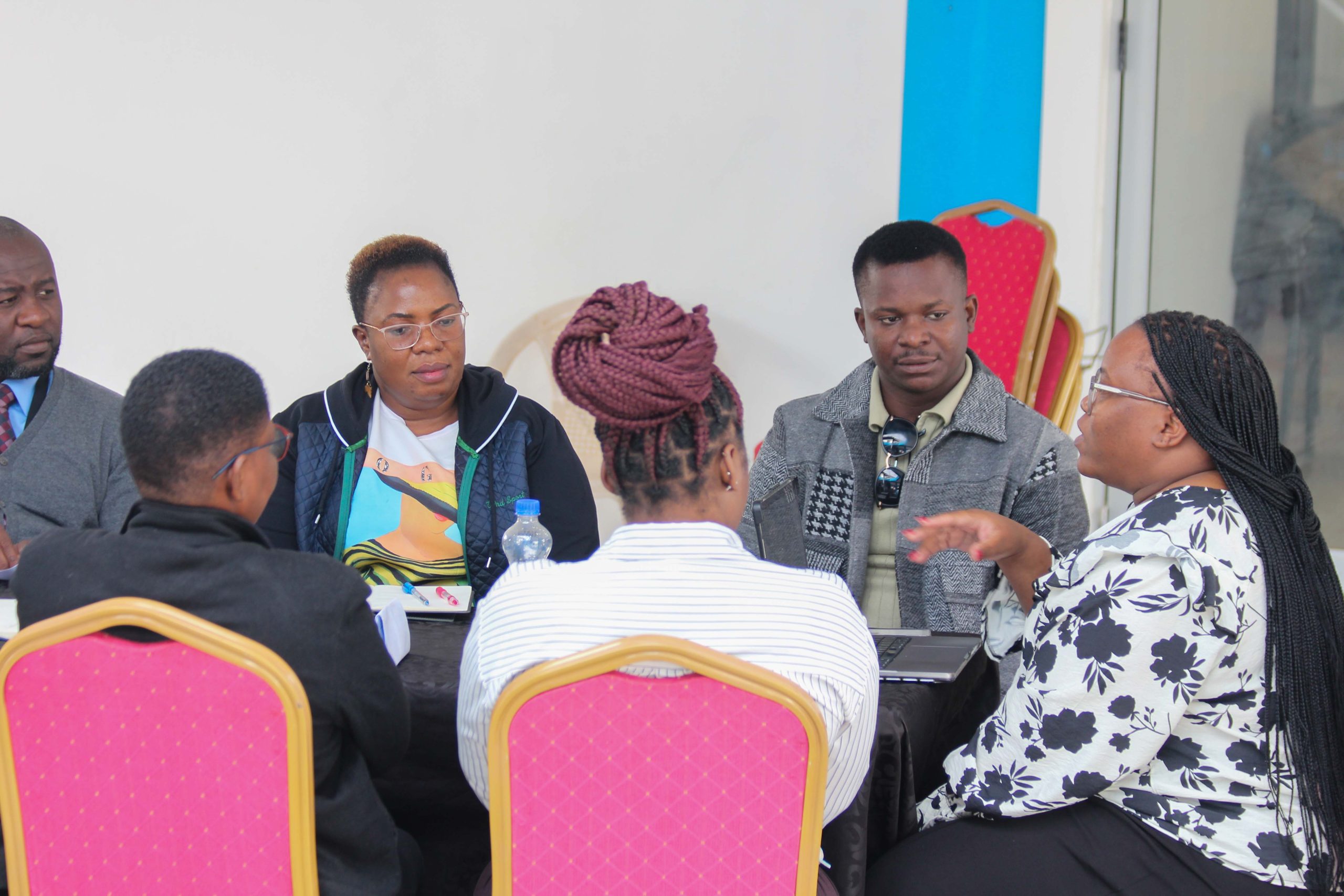
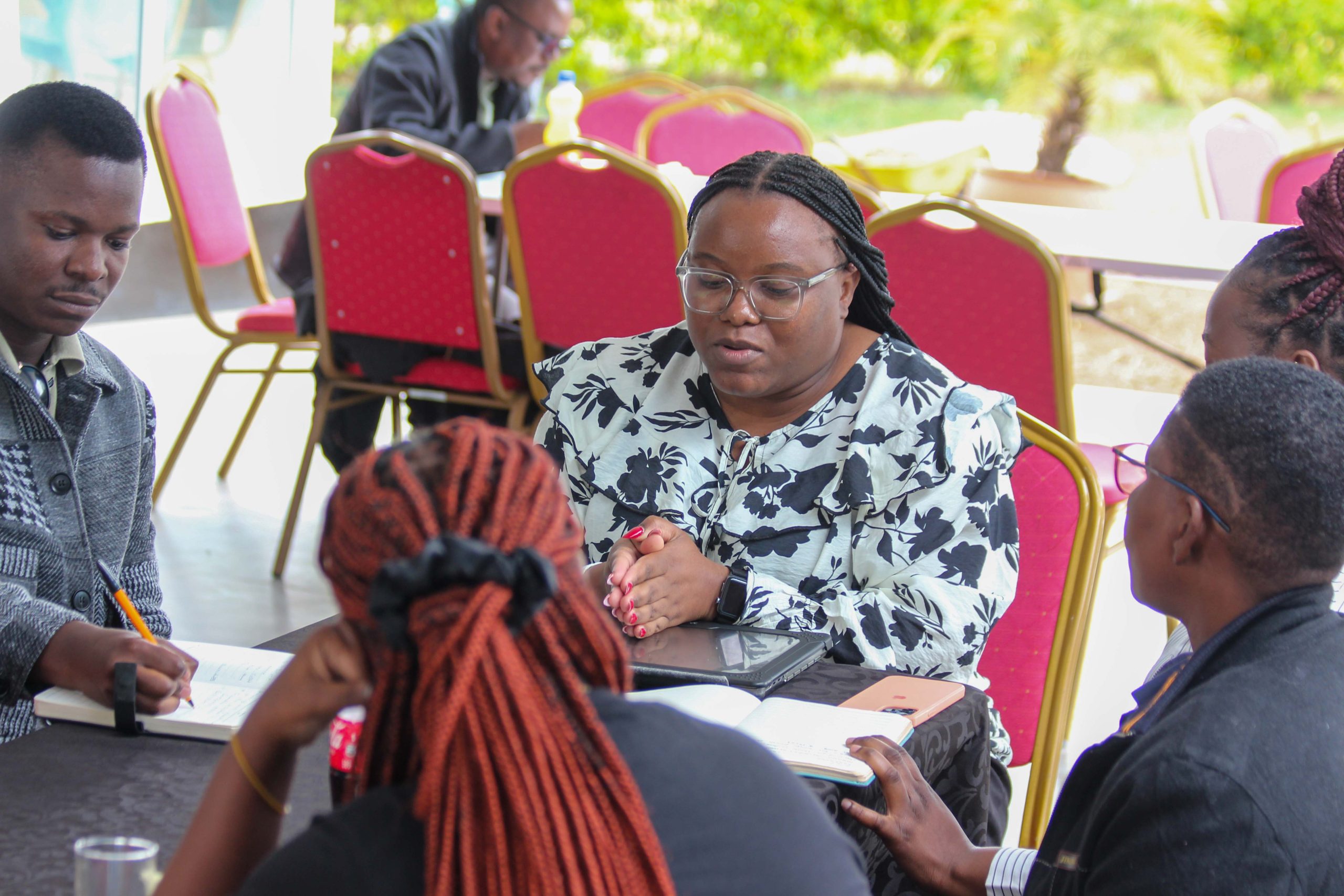
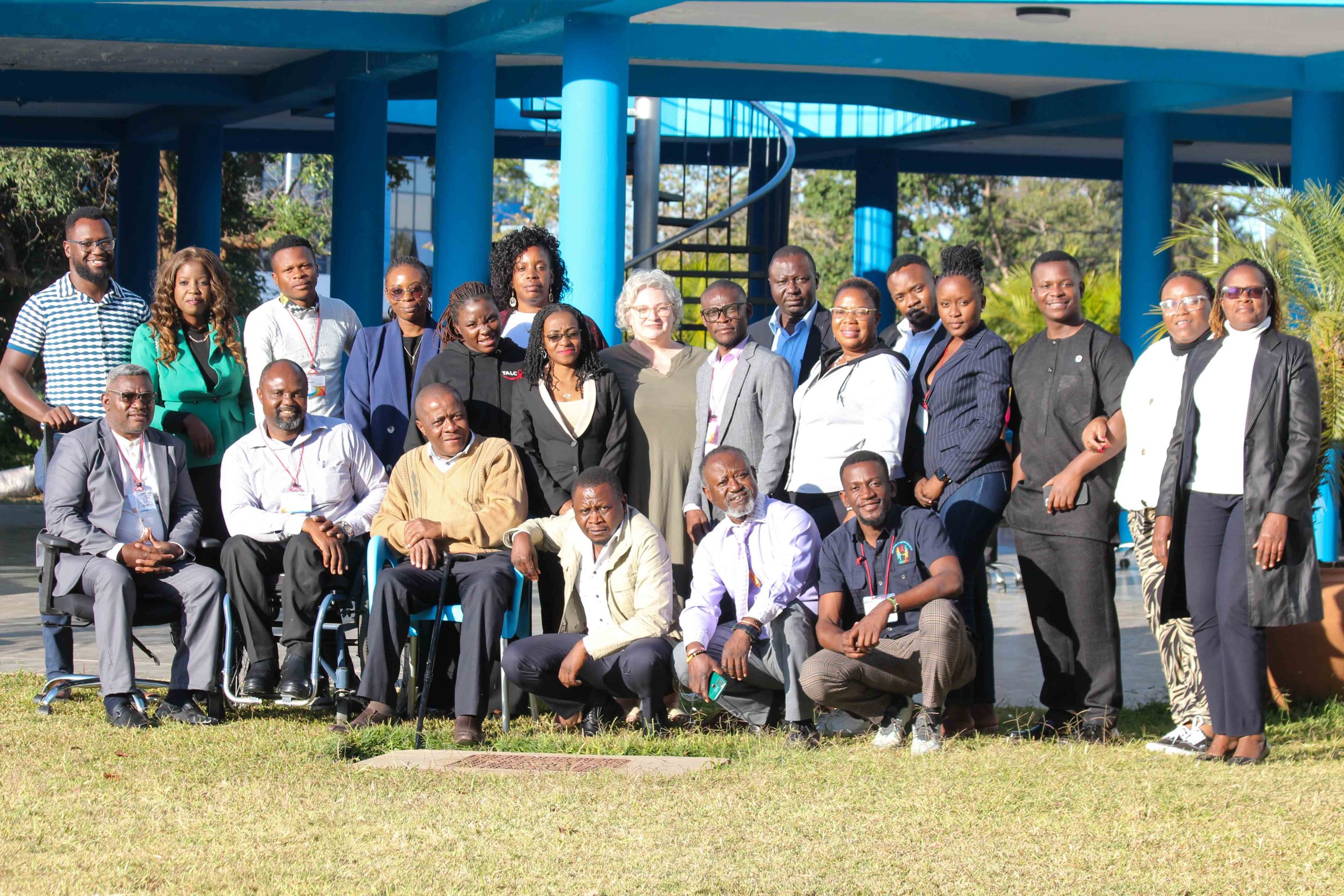
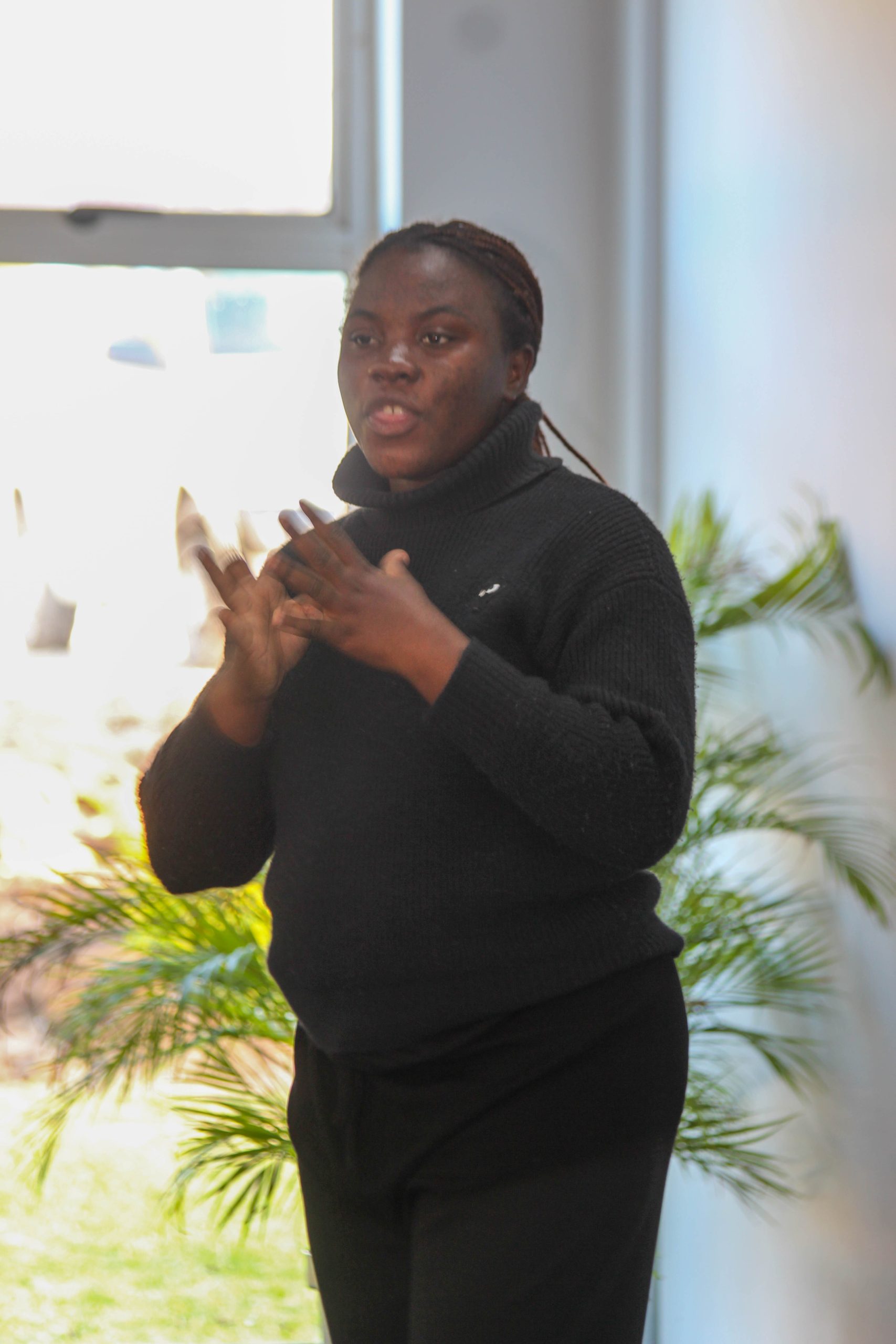
The Training of Trainers (ToT) involved master trainers from Botswana, Uganda, South Africa, Kenya, Cameroon, and Zambia.